Why Your LVP Floors Are Peaking and Separating—And How to Stop It
October 7, 2026
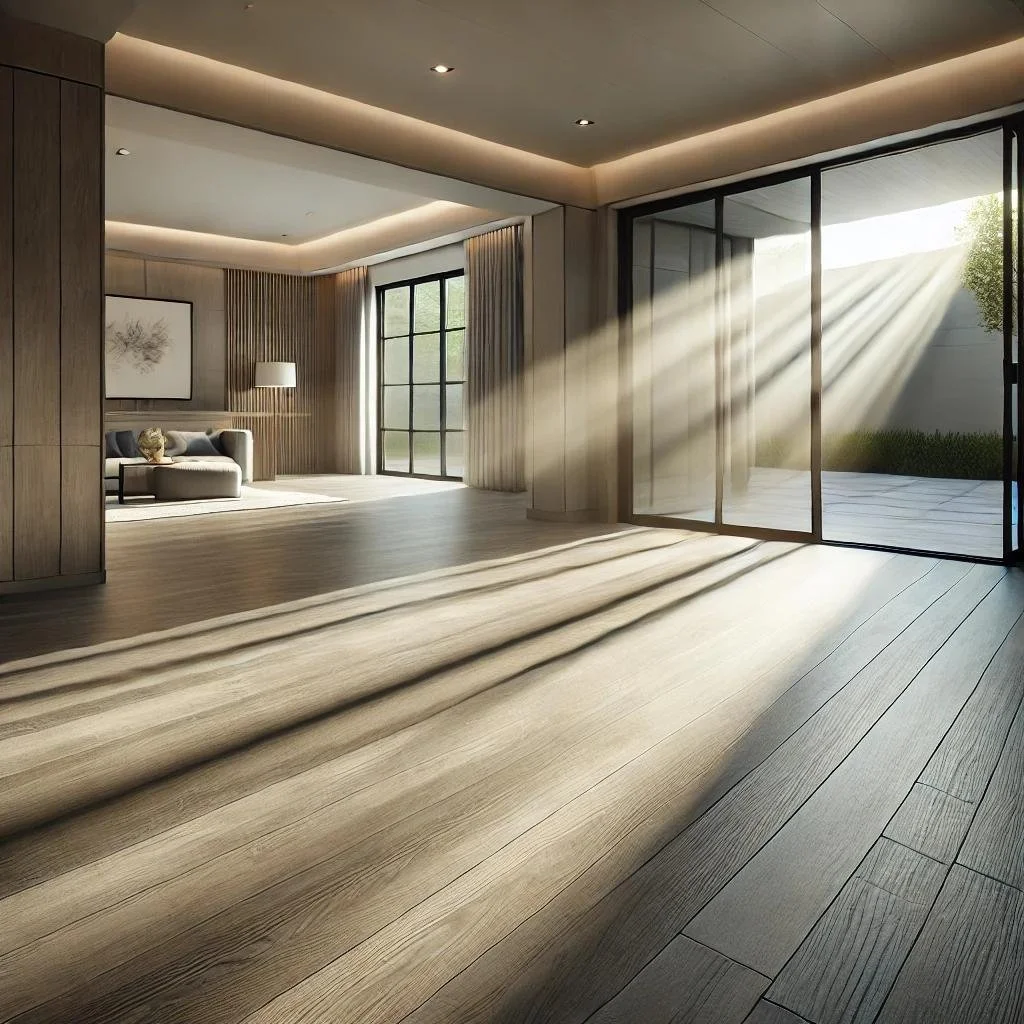
Luxury vinyl plank (LVP) flooring has become a popular choice for homeowners and businesses because of its durability, affordability and realistic appearance.
Like many flooring products, however, some LVP can be affected by prolonged heat and direct sunlight. If you notice warping, separation, fading or movement, sunlight may be one contributing factor — but installation conditions, expansion space, subfloor preparation and the specific flooring product can also play a role.
Peaking, Separating and Fading Due to Heat Exposure
Fading and Discoloration
If flooring begins looking dull or washed out in areas exposed to strong sunlight, UV exposure may be contributing to fading or uneven coloration.
Even flooring designed for good color stability can be affected by years of intense exposure, depending on the product and conditions.
Peaking and Separating
Peaking occurs when flooring expands and does not have adequate room to move.
Heat from prolonged direct sunlight can contribute to expansion, particularly in floating-floor installations. If you are comparing installation methods, see our guide to click-lock vs. glue-down LVP.
As temperatures change, flooring may expand and contract. If expansion space, installation conditions or product requirements are not properly addressed, this movement can contribute to:
- raised or peaked joints
- separated planks
- visible gaps
- damaged locking joints
Premature Aging
Repeated exposure to excessive heat and UV can accelerate wear or discoloration in some flooring products.
Very high surface temperatures near large windows or glass doors can create particularly demanding conditions.
Why Colorado Sunlight Deserves Attention
Colorado homes can receive intense sunlight, particularly through large south- or west-facing windows and patio doors.
At higher elevations, UV exposure can also be greater than at sea level.
The more important point for homeowners is that flooring exposed to prolonged direct sunlight can become considerably hotter than the surrounding room.
Dark flooring and areas immediately beside large windows may experience especially high surface temperatures.
How to Protect LVP from Direct Sunlight
1. Use Window Treatments
Blinds, curtains, shades and other window treatments can reduce prolonged direct exposure while still allowing natural light into the room.
2. Consider UV-Reducing Window Film
Appropriate window film may help reduce UV exposure and solar heat through large windows and glass doors.
Make sure any film is suitable for the specific window system.
3. Be Aware of Rugs and Furniture
Rugs and furniture can create areas of uneven sunlight exposure.
Moving rugs or furniture periodically may help reduce uneven fading, although homeowners should also follow the flooring manufacturer's recommendations regarding rugs, pads and floor protection.
4. Consider Exterior Shade
Awnings, pergolas and exterior shades can reduce direct solar exposure before it reaches windows and glass doors.
They may also help reduce indoor heat gain.
What to Do If Damage Has Already Occurred
If LVP has already begun peaking, separating, lifting or developing gaps, the first step should be identifying the cause.
Possible contributing factors can include:
- excessive heat
- insufficient expansion space
- uneven subfloor conditions
- damaged locking joints
- improper installation
- moisture conditions
- adhesive problems on glue-down flooring
- heavy fixed objects restricting a floating floor
A flooring professional can inspect the installation and determine whether repair is practical.
Repairing Peaking and Separation
Inspection and Assessment
The floor should be inspected to determine what is causing the movement and whether the problem is limited to a small area or affects the larger installation.
Plank Replacement
When damage is localized, individual plank replacement may sometimes be possible.
Whether this is practical depends on:
- the installation method
- location of the damaged plank
- availability of matching material
- condition of surrounding flooring
- locking system or adhesive installation
Full or Partial Floor Replacement
If damage is extensive, the original product is no longer available, or the underlying installation problem affects a large area, replacement of a larger portion of the floor may be necessary. Learn more about our luxury vinyl plank installation, or browse LVP options in our Showroom.
Conclusion
LVP can provide an attractive, durable and relatively low-maintenance floor, but proper product selection, installation and protection from extreme conditions still matter.
Window treatments, solar control and proper installation practices can help reduce problems caused by excessive heat and sunlight.
If your LVP is already peaking, separating or developing gaps, determining the underlying cause before making repairs is important.
Related Topics
LVP vs. Laminate Flooring: Which Is Better for Your Home?
Compare click-lock LVP and laminate flooring for waterproofing, scratches, sound, installation, stairs, cost and Colorado's intense sunshine.
Click-Lock vs. Glue-Down Luxury Vinyl Plank: Which Is Right for You?
Compare click-lock floating and glue-down luxury vinyl plank: advantages, tradeoffs, and how to choose the right installation method for your space.
Having trouble with an LVP floor? Call Fashion Flooring for help evaluating your options.