Hardwood Flooring Species Compared: Color, Hardness, Durability and Appearance
October 23, 2026
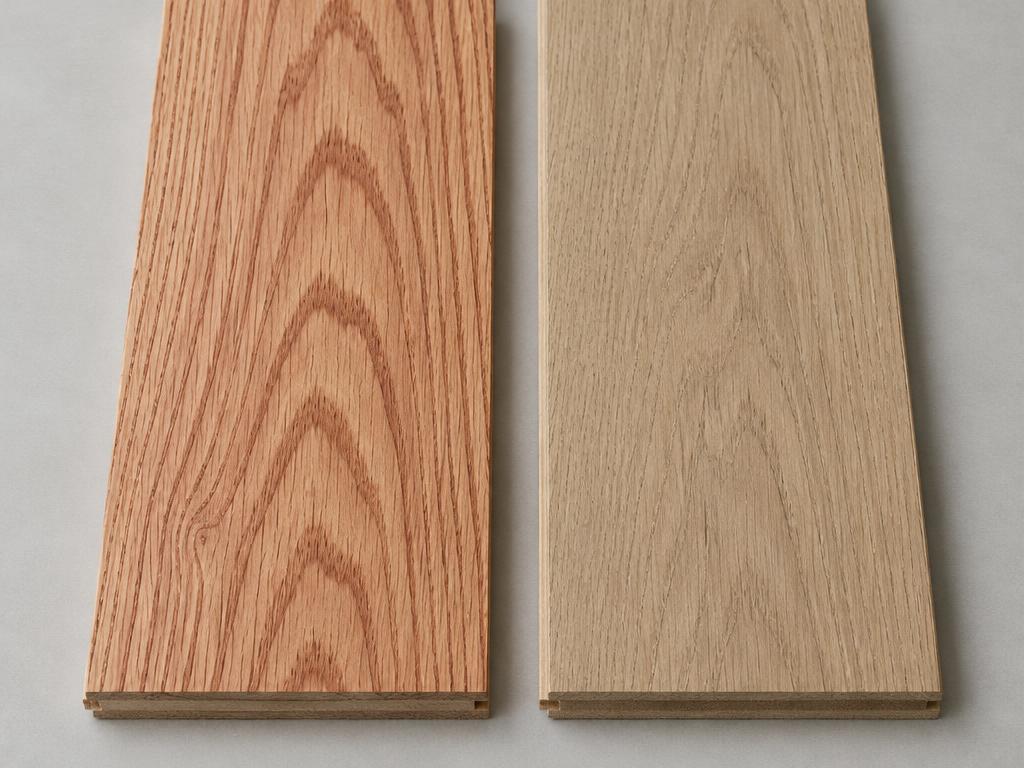
Choosing hardwood flooring involves more than choosing a light or dark color.
Different wood species have different grain patterns, natural colors, hardness, dimensional stability and responses to stain. Two floors with similar finishes can look and perform quite differently over time.
A wood's hardness matters, but it isn't the whole story. The surface finish, the construction of the flooring, household traffic, sunlight and indoor humidity can be just as important.
This guide compares common hardwood flooring species and explains what their differences mean in everyday use.
1. What Makes One Hardwood Species Different From Another?
Four characteristics are especially useful when comparing hardwood flooring.
Natural color: Wood species range from pale cream and yellow to warm red, rich brown and deep chocolate. Most change color somewhat as they age and receive sunlight.
Grain and texture: Some woods have prominent, varied grain that helps disguise everyday wear. Others have a smooth, uniform appearance that can make dents and scratches more noticeable.
Hardness: The Janka hardness test measures resistance to indentation under standardized conditions. It provides a useful comparison of dent resistance, but does not directly measure resistance to surface scratching.
Dimensional stability: Wood expands and contracts as its moisture content changes. Different species respond differently, although plank width, cut, construction and environmental conditions also affect movement.
2. Hardwood Species Comparison Chart
The following Janka values are commonly cited approximate ratings for representative North American species. Actual values can vary with the particular wood and testing conditions.
| Species | Approximate Janka hardness (lbf) | Typical appearance | Practical characteristics |
|---|---|---|---|
| American black walnut | 1,010 | Rich brown, darker streaks | Softer, dents more readily |
| American black cherry | 950 | Warm reddish brown | Softer, color changes noticeably |
| Red oak | 1,290 | Warm pinkish or reddish tones | Versatile, prominent grain |
| White oak | 1,360 | Beige, tan, muted brown | Durable, popular natural appearance |
| White ash | 1,320 | Cream to light brown | Strong, pronounced grain |
| Yellow birch | 1,260 | Pale cream to reddish brown | Moderate hardness, variable grain |
| Hard maple | 1,450 | Pale cream, subtle grain | Good dent resistance, staining can be difficult |
| Hickory / pecan group | About 1,820 | Dramatic light-to-dark variation | High dent resistance, distinctive character |
These ratings do not rank the overall quality of the flooring. A well-made walnut floor may be an excellent choice for one home, while hickory may be better suited to another.
3. Red Oak: The Familiar American Hardwood Floor
Red oak has been used in American homes for generations.
Its prominent grain, relatively consistent availability and versatility make it one of the most recognizable flooring woods.
Natural red oak often contains warm, pinkish or reddish undertones. Its grain can help disguise small marks and everyday wear.
Red oak accepts many stains, although the underlying warmth of the wood can influence the final color.
Best suited to: Homeowners seeking a traditional hardwood appearance with a wide range of finishing options.
4. White Oak: Subtle Color and Versatility
White oak is a popular choice for both traditional and contemporary interiors.
Its natural tones tend toward beige, tan and muted brown, generally with less pink than red oak.
White oak can be finished in natural, medium and dark tones. Its appearance also depends on how the lumber is cut.
Quarter-sawn white oak may display distinctive ray fleck, while rift-sawn material can have a straighter, more uniform grain.
White oak's combination of appearance, hardness and finishing flexibility makes it suitable for many residential applications.
Best suited to: Homeowners who prefer neutral wood tones, visible natural grain and broad design flexibility.
5. Hard Maple: Light, Smooth and Relatively Hard
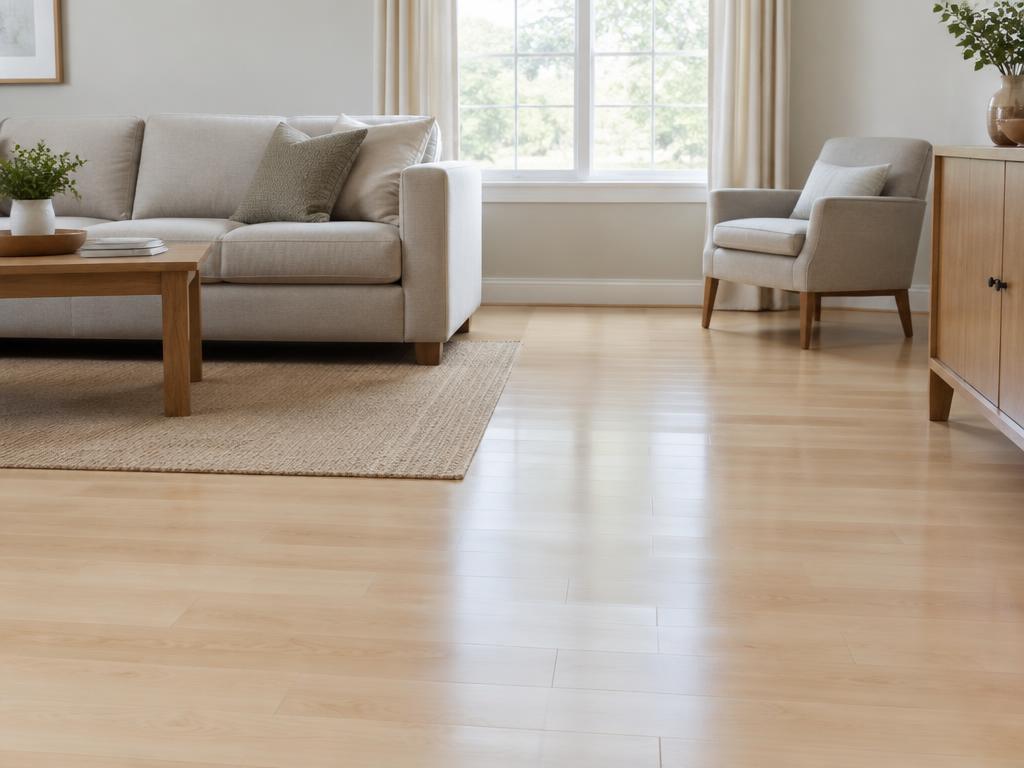
Hard maple has a pale, often creamy appearance and comparatively subtle grain.
Its Janka hardness is higher than that of red or white oak, giving it good resistance to indentation.
However, the smooth, understated grain can make surface scratches, dents and finish imperfections more noticeable.
Maple can also be challenging to stain evenly. Dark stains may produce blotchy results unless the finishing process is carefully controlled.
Natural or lightly finished maple is often particularly attractive.
Best suited to: Homeowners who want a clean, light-colored hardwood floor with minimal grain variation.
6. Hickory: Hardness and Dramatic Character
Hickory is among the harder commonly used domestic hardwood flooring species.
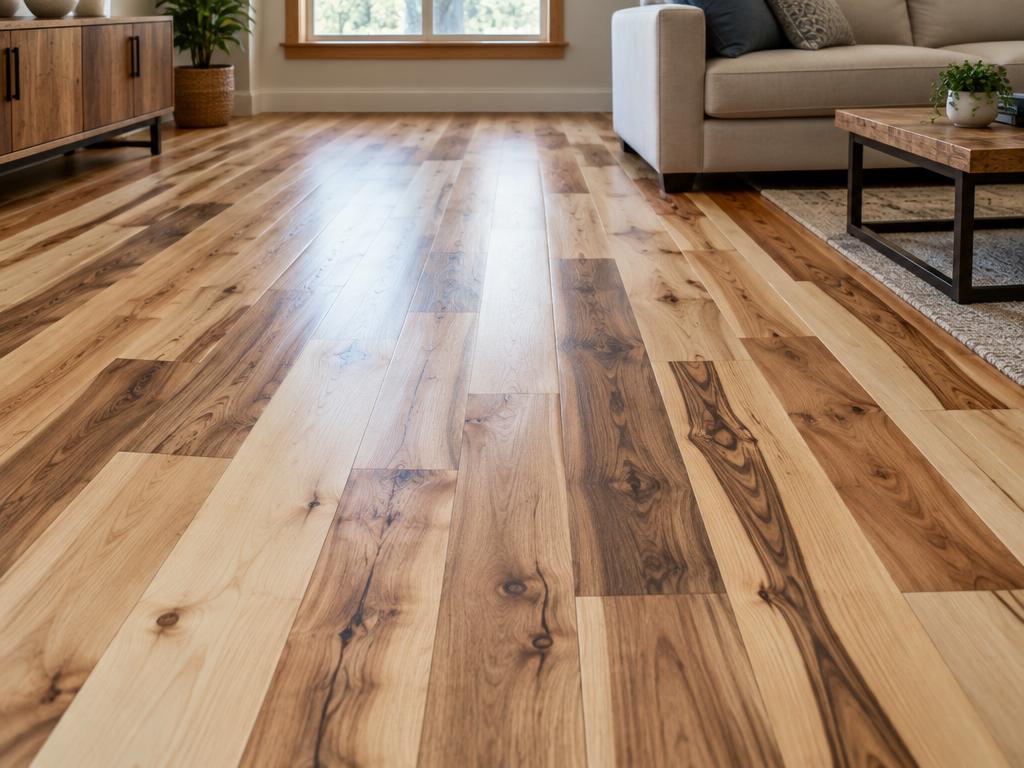
Its natural color variation can be dramatic, with pale cream sections appearing alongside medium and darker brown areas.
That contrast is part of hickory's appeal, although it may not suit homeowners seeking a highly uniform appearance.
Its high hardness offers good resistance to denting, but hickory can still scratch, and its movement characteristics require careful attention to flooring construction and indoor humidity.
Best suited to: Homes where dent resistance and a distinctive, varied natural appearance are priorities.
7. Walnut: Rich Color With a Softer Surface
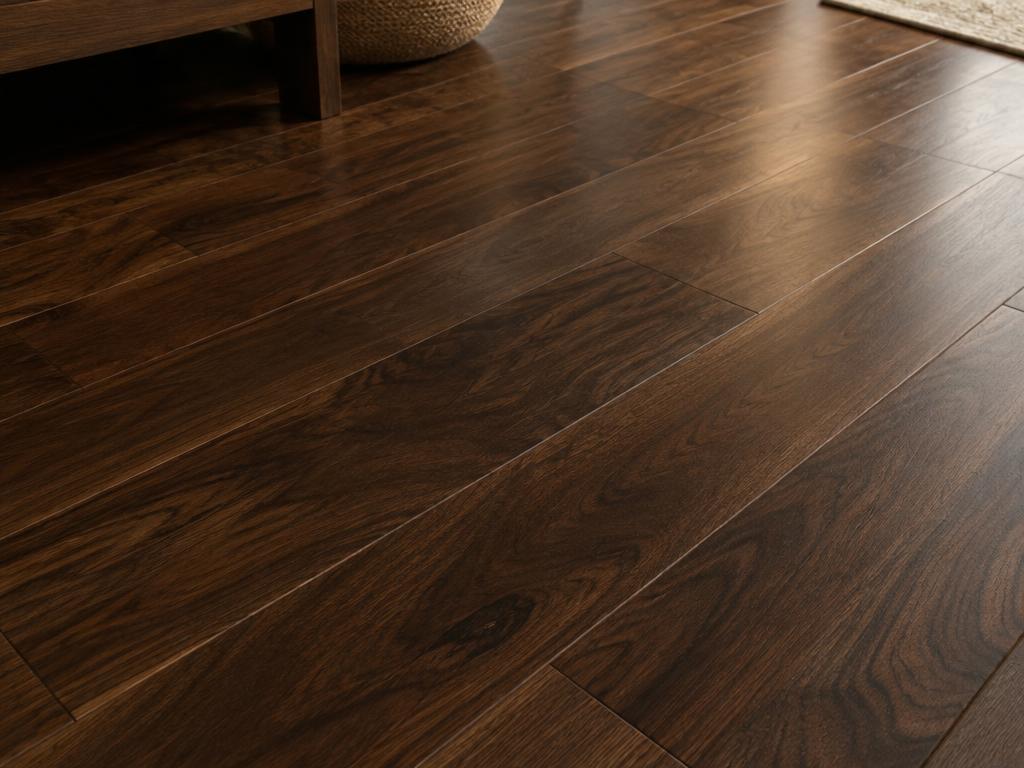
American black walnut is valued for its rich brown color and elegant grain.
Unlike some lighter woods that are stained dark, walnut can provide substantial natural depth of color without relying entirely on stain.
Its tradeoff is hardness.
Walnut is softer than oak, maple and hickory, so dents from dropped objects, furniture and concentrated loads may be more noticeable.
Its dark color can also show certain scratches or dust, depending on the finish.
Best suited to: Homeowners who prioritize rich natural color and are comfortable with a floor that may develop visible character over time.
8. American Cherry: Warmth and Color Change
American black cherry is known for its fine grain and warm reddish-brown appearance.
Freshly finished cherry may be lighter than homeowners expect. Exposure to light and aging can deepen its color considerably.
Cherry is also relatively soft compared with oak or maple.
Furniture, rugs and areas receiving different amounts of sunlight can create noticeable color differences, especially during the early years.
Best suited to: Homeowners who appreciate warm wood tones and the natural evolution of color over time.
9. Ash and Birch: Other Domestic Hardwood Options
Ash
Ash has a pronounced grain that can resemble oak, although its color and grain characteristics differ.
It generally ranges from pale cream to light brown and offers hardness in the same general range as oak.
Availability can be affected by the impact of emerald ash borer on North American ash trees.
Birch
Birch flooring varies by species and grade.
Yellow birch often has light cream and warm reddish-brown tones, sometimes with striking figure.
Its relatively subtle grain can make finishing consistency important.
Both woods can be attractive alternatives to oak, but availability, grading and product construction should be considered.
10. What About Exotic Hardwood Species?
Some hardwood flooring uses imported species such as Brazilian cherry, Brazilian walnut, tigerwood or other tropical woods.
These products may offer unusually high Janka ratings, striking color or distinctive grain.
However, species identification matters. Trade names can be confusing, and woods sold under similar-sounding names may not be botanically related.
Extremely hard woods can also be challenging to machine, sand or finish. Natural oils, density and other properties may affect adhesive and coating compatibility.
Color changes from sunlight can be substantial in certain tropical species.
Responsible sourcing and reliable product identification are additional considerations.
11. Hardness Versus Scratch Resistance: They're Not the Same
A higher Janka rating generally indicates greater resistance to indentation.
It does not mean a floor is scratchproof.
Scratches can affect the finish, the wood itself, or both.
A hard wood with a relatively delicate finish may show scratches more readily than a softer wood with a more resilient coating.
Grain also affects visibility. The prominent grain of oak or hickory can help disguise some everyday marks, while a smooth maple floor may reveal them more clearly.
For homes with pets, children or heavy traffic, consider the entire flooring system rather than choosing by hardness rating alone.
12. How Wood Species Affect Staining and Refinishing
Hardwood species respond differently to sanding, staining and finishing.
Oak generally offers a broad range of staining possibilities because of its open, prominent grain.
Maple and some other fine-grained woods may absorb stain unevenly, especially when dark colors are desired.
Walnut is often selected for its natural color rather than stained to imitate another species.
Cherry can change color significantly with light exposure, even after finishing.
A floor's previous finish, sanding history and condition also affect what can be achieved.
Importantly, the species alone does not determine whether an existing floor can be refinished. Its construction, remaining usable wood and condition matter too. Fashion Flooring's hardwood refinishing service can evaluate whether an existing wood floor is a candidate for sanding and refinishing.
13. Solid Hardwood Versus Engineered Hardwood
Wood species and flooring construction are two separate decisions.
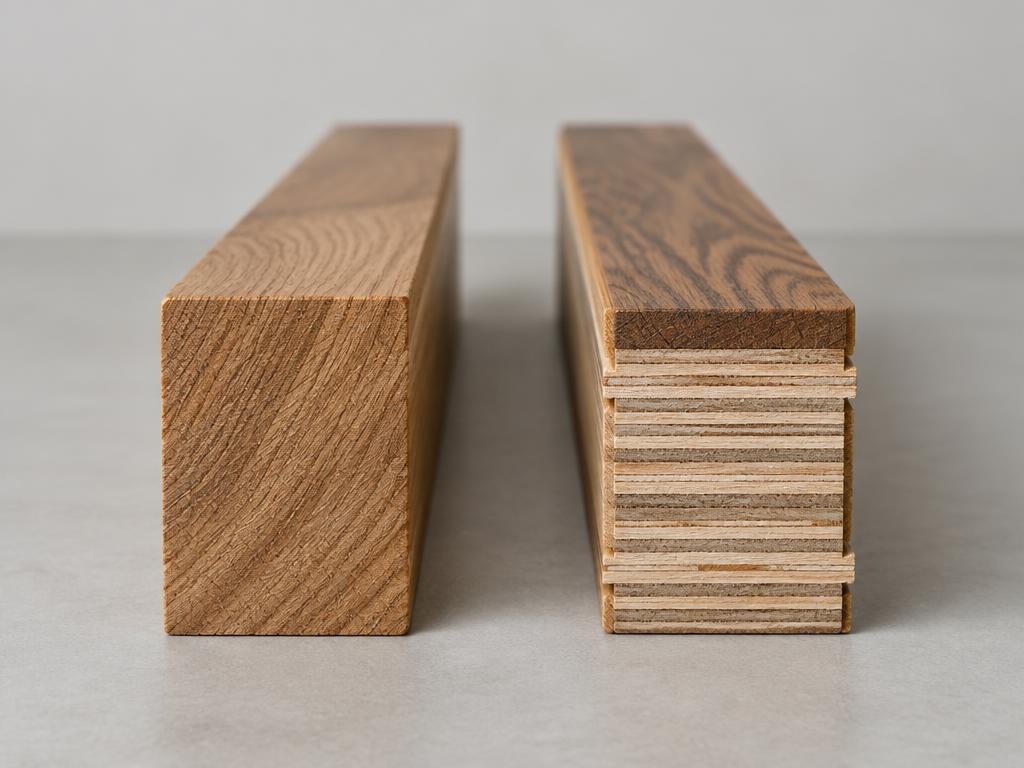
A solid white oak floor and an engineered white oak floor may have similar visible wood surfaces, but their construction differs.
Solid hardwood consists of solid wood throughout the plank.
Engineered hardwood uses a real wood wear layer over a constructed core.
Engineered construction can offer dimensional-stability advantages in some applications, but suitability depends on the specific product.
The thickness of the engineered wear layer also affects future sanding possibilities.
A thin wood veneer should not be treated like a traditional solid hardwood floor. Fashion Flooring offers hardwood flooring options and can help you compare solid and engineered construction for your space.
14. Colorado's Climate: Humidity, Seasonal Gaps and Sunlight
Colorado's Front Range climate creates particular considerations for hardwood flooring.
Indoor air can become very dry during the heating season.
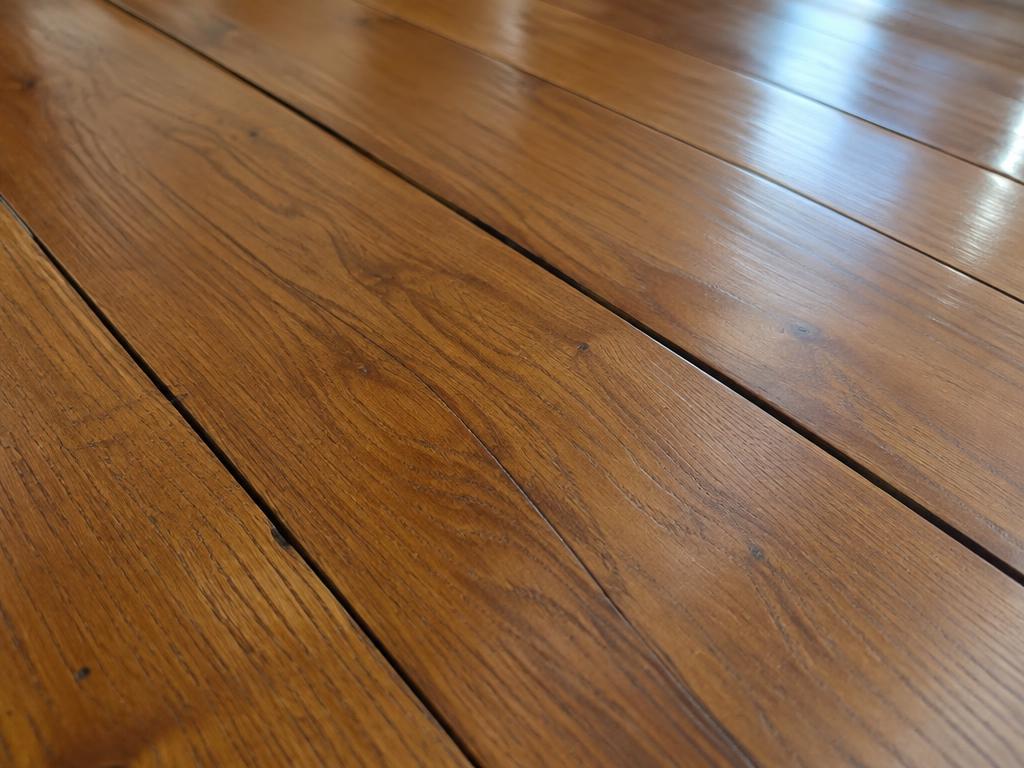
As wood loses moisture, it can shrink, creating seasonal gaps between planks. When humidity rises, the wood may expand again.
Species differ in their dimensional movement, but no hardwood is completely unaffected by changing moisture conditions.
Plank width, cut, installation method and flooring construction can be as important as the species.
Wider solid planks may show seasonal movement more noticeably than narrower boards.
Colorado's strong sunlight is another consideration.
Sun exposure can change the color of many woods, including cherry, walnut and certain exotic species. Rugs and furniture can create uneven exposure, resulting in visible color differences when moved.
Maintaining indoor conditions within the flooring manufacturer's recommended range is important for long-term performance.
15. Which Hardwood Species Is Best for Your Home?
There is no single best hardwood species.
A homeowner seeking a pale, relatively uniform floor might prefer maple.
Someone who wants neutral tones and design flexibility may prefer white oak.
For pronounced grain and classic character, red oak remains a strong option.
Hickory offers high dent resistance and dramatic variation.
Walnut and cherry offer distinctive natural colors, with greater susceptibility to denting.
The right choice depends on appearance, expected wear, maintenance expectations, indoor conditions, product construction and budget.
Frequently Asked Questions
What is the hardest common domestic hardwood flooring?
Hickory is among the hardest commonly used domestic hardwood flooring species, although exact hardness varies by species.
Is white oak harder than red oak?
Typical Janka ratings place white oak slightly above red oak, but the difference is relatively modest.
Is harder hardwood always more durable?
No. Hardness measures resistance to indentation. Finish performance, moisture, construction, installation and maintenance also affect durability.
Which hardwood hides scratches best?
Visible grain and color variation can help disguise minor wear. Oak and hickory often conceal some marks better than very smooth, uniform woods.
Which hardwood is best for dogs?
Consider dent resistance, finish, surface texture and scratch visibility together. No natural hardwood is completely resistant to pet-related wear.
Does walnut scratch easily?
Walnut is softer than oak, maple and hickory, making it more susceptible to certain dents and marks. The finish also affects scratch resistance.
Does hardwood change color over time?
Yes. Many species change color with aging and light exposure. The amount and direction of change vary by species and finish.
Can any hardwood species be stained dark?
Many can, but results vary. Some species absorb stain unevenly or have natural undertones that influence the final appearance.
Is engineered hardwood real wood?
Yes. Engineered hardwood has a real wood surface layer over a constructed core. It differs from laminate and vinyl plank.
Does hardwood flooring work in Colorado's dry climate?
Yes, when the product is appropriate for the installation and indoor temperature and humidity are maintained within its specified range.
Can all hardwood species be sanded and refinished?
The species alone doesn't answer that question. Construction, wear-layer thickness, previous sanding and floor condition determine whether refinishing is appropriate.
The Bottom Line
Hardwood species influence how a floor looks, how readily it dents, how it responds to stain and how its appearance changes over time.
But species is only part of the decision.
A floor's construction, finish, installation conditions and maintenance can matter just as much.
Understanding these differences helps homeowners choose hardwood for the way they actually live—not simply for how a sample looks in the showroom.
Questions about hardwood flooring? Call for a Free Estimate.