Clean, Repair or Replace? Flooring Decisions for Rental Properties
November 19, 2026
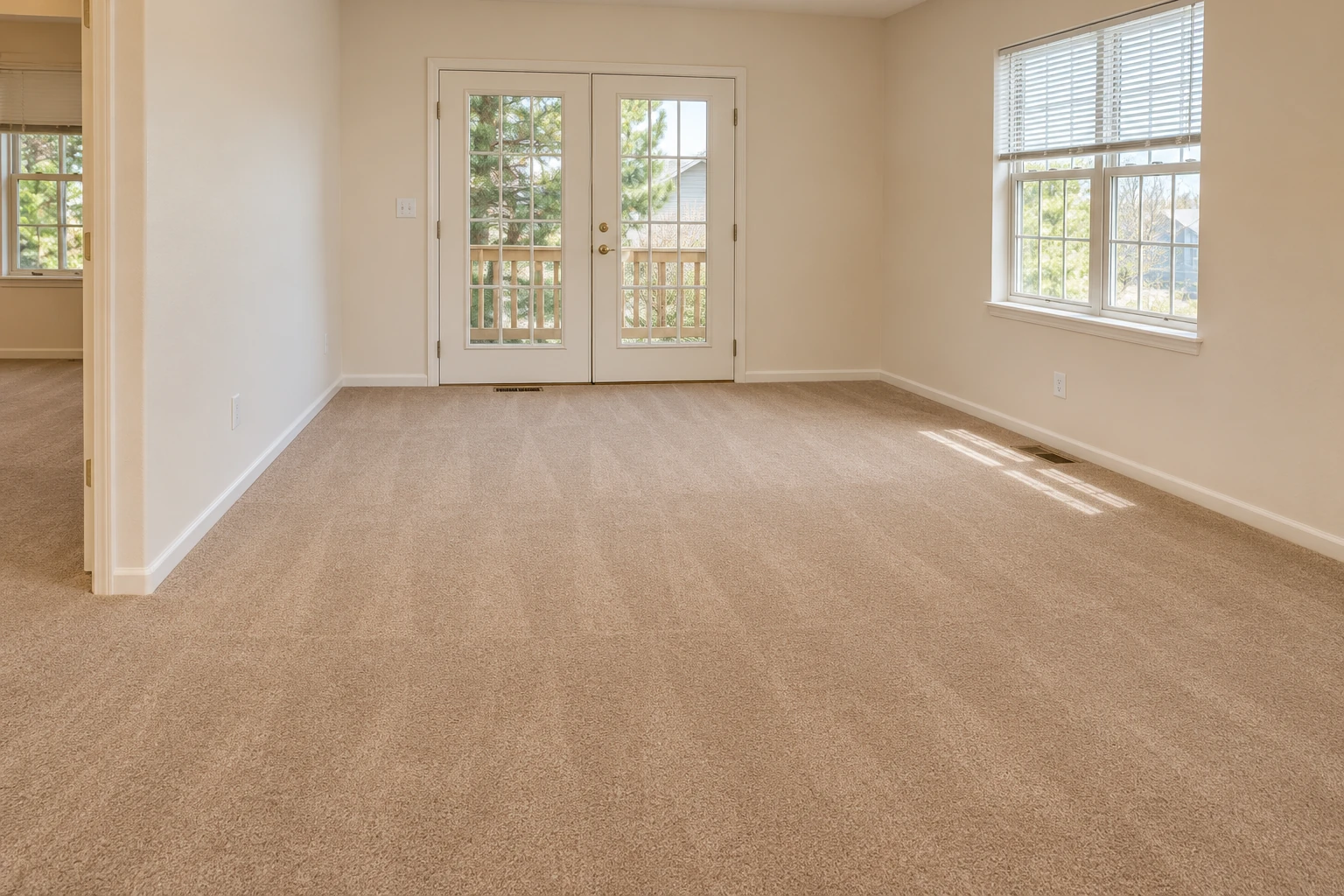
The carpet looks tired, there's a ripple down the hallway, and a plank near the patio door has lifted. Does the property need new flooring, or could some of it stay?
For rental flooring, cleaning usually makes sense when the material is sound and the problem is soil. Repair is worth exploring when damage is limited. Replacement becomes more attractive when wear or failure is widespread, or a repair won't give the property a useful result.
The interesting part is deciding where your floor falls. A bedroom may need only cleaning while a hallway needs restretching and a damaged kitchen floor needs replacement. A room-by-room approach can preserve serviceable flooring without spending money on a floor that's unlikely to hold up.
Here's how those choices come together for property managers planning a turnover in the Denver and Boulder area.
When is cleaning rental carpet enough?
A carpet can look worn when much of what you're seeing is soil. If the fibers, backing and installation are still in good shape, professional cleaning may give it the appearance you're looking for without the disruption of replacement.
The distinction is between something on the carpet and a change to the carpet itself. Soil may come out. Missing fibers, permanent color loss and damaged backing won't be restored by cleaning. A dark traffic lane can involve both soil and wear, so the likely improvement matters more than a promise that it will look new.
| Option | Where it often makes sense | The useful question |
|---|---|---|
| Clean | Intact carpet with soil or treatable spots | How much of the appearance is likely to improve? |
| Repair | Wrinkles, a loose edge or a limited damaged area | Can the repair hold and blend acceptably? |
| Replace | Widespread wear, backing failure or damage beyond a useful repair | What preparation is needed for the new floor to perform? |
For a questionable spot, a test treatment can help make the decision more concrete. Sometimes the improvement is enough for another tenancy. Sometimes the stain remains visible even though the carpet is clean. Knowing that before approving the full cleaning avoids an unpleasant surprise at the final walkthrough.
Odor adds another layer to the conversation. If the source is in the cushion or subfloor, cleaning the face of the carpet may provide only a partial result. Replacing the carpet alone can have the same limitation. The useful comparison is the work needed to address the affected layers, along with the finished appearance.
Fashion Flooring's carpet cleaning service and carpet repair and restretching service cover different needs; repair work is quoted separately from cleaning.
Can wrinkled carpet be saved?
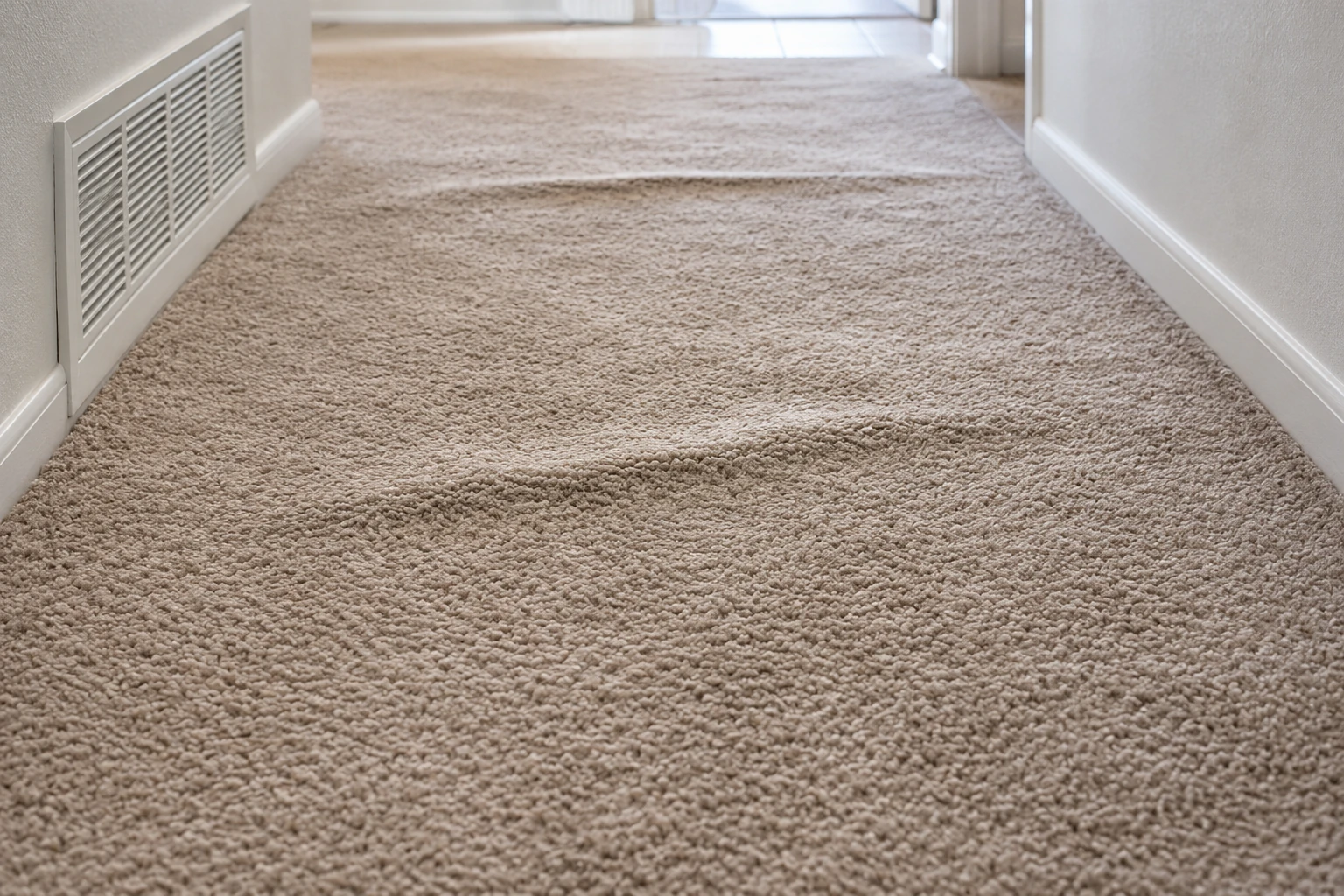
Often, yes. A ripple across a hallway doesn't automatically mean the carpet has reached the end of its useful life. Restretching may be a good option when the material is otherwise serviceable.
The assessment includes what is underneath: whether the cushion has shifted, how the carpet is attached and whether the backing is intact. The Carpet and Rug Institute's restretching guidance calls for those checks and a power stretcher. Connected rooms and doorway seams can affect the amount of work, even when the most noticeable wrinkle is in one spot.
A small burn, tear or damaged section may also be repairable. Matching material makes a difference: a leftover remnant may work, while a new piece of the same style can stand out against carpet that has already been in use. A repair can be structurally sound and still show a difference in color, wear or pile direction.
What about carpet delamination?
Delamination means the backing layers have separated. That's a different problem from loose carpet, and stretching won't restore the backing bond. A surface wrinkle alone doesn't establish delamination; extensive backing failure can make replacement the more practical choice.
When is replacement the better value?
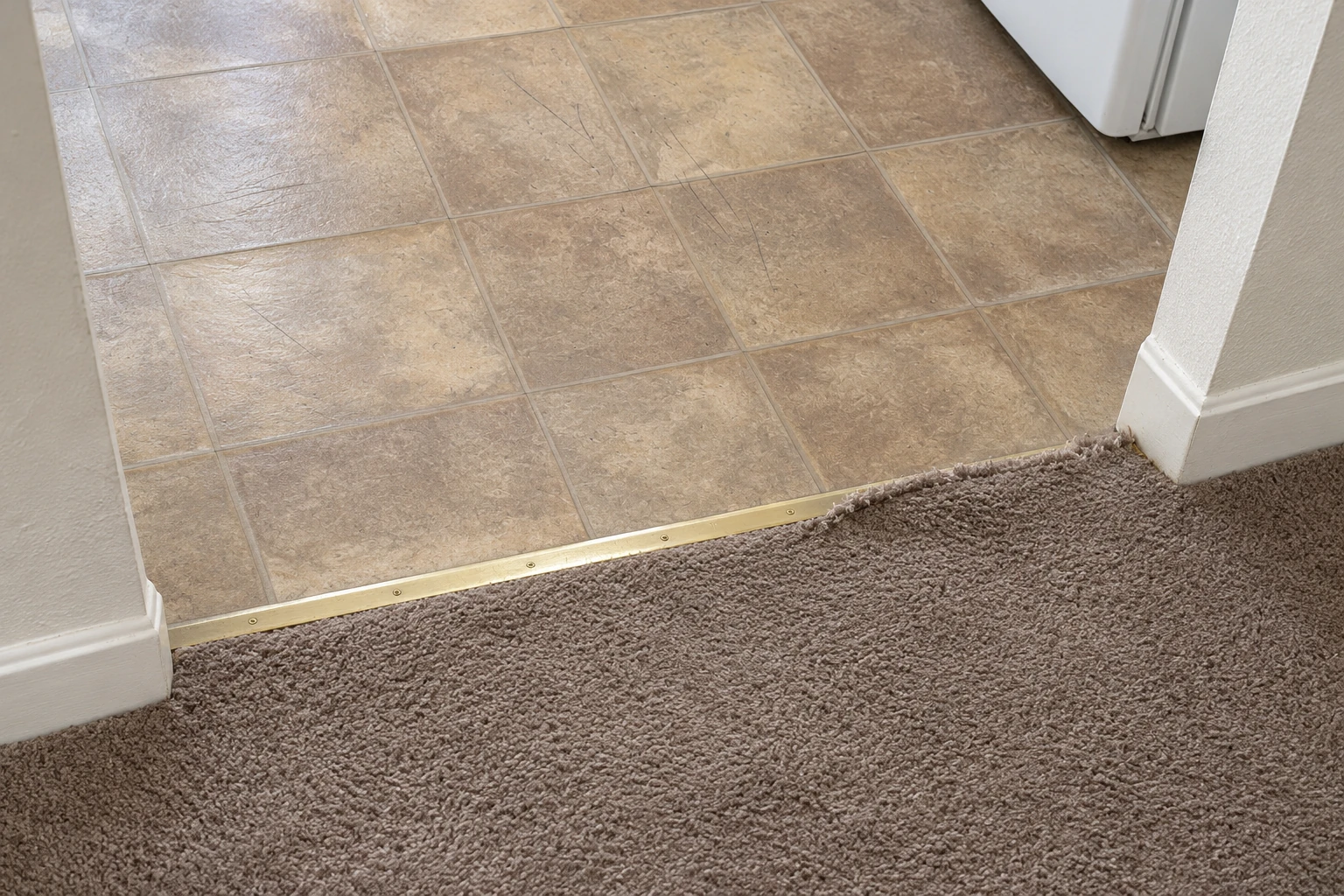
Replacement starts to make more sense when the damage is widespread, the face is worn beyond the property's appearance standard, or failed backing limits the repair options. It can also be the better value when several small repairs add up to substantial labor but still leave a disappointing floor.
How often does rental carpet need replacing?
There isn't a single age that tells the whole story. Traffic, pets, maintenance, fiber and construction all affect how the carpet wears. Age is useful for budgeting; condition is what helps decide whether cleaning or repair is still worthwhile. The rental-grade carpet guide looks more closely at those material choices.
A turnover by itself doesn't establish that carpet has failed. The more useful question is whether its condition and expected result justify keeping it for the next tenancy. That is separate from any lease, deposit or responsibility question.
A replacement quote is easier to evaluate when removal, disposal, cushion, floor preparation and transitions are included or clearly separated. If something beneath the carpet can't be assessed yet, naming that uncertainty early helps keep the budget and ready date realistic.
Can one damaged vinyl plank be replaced?
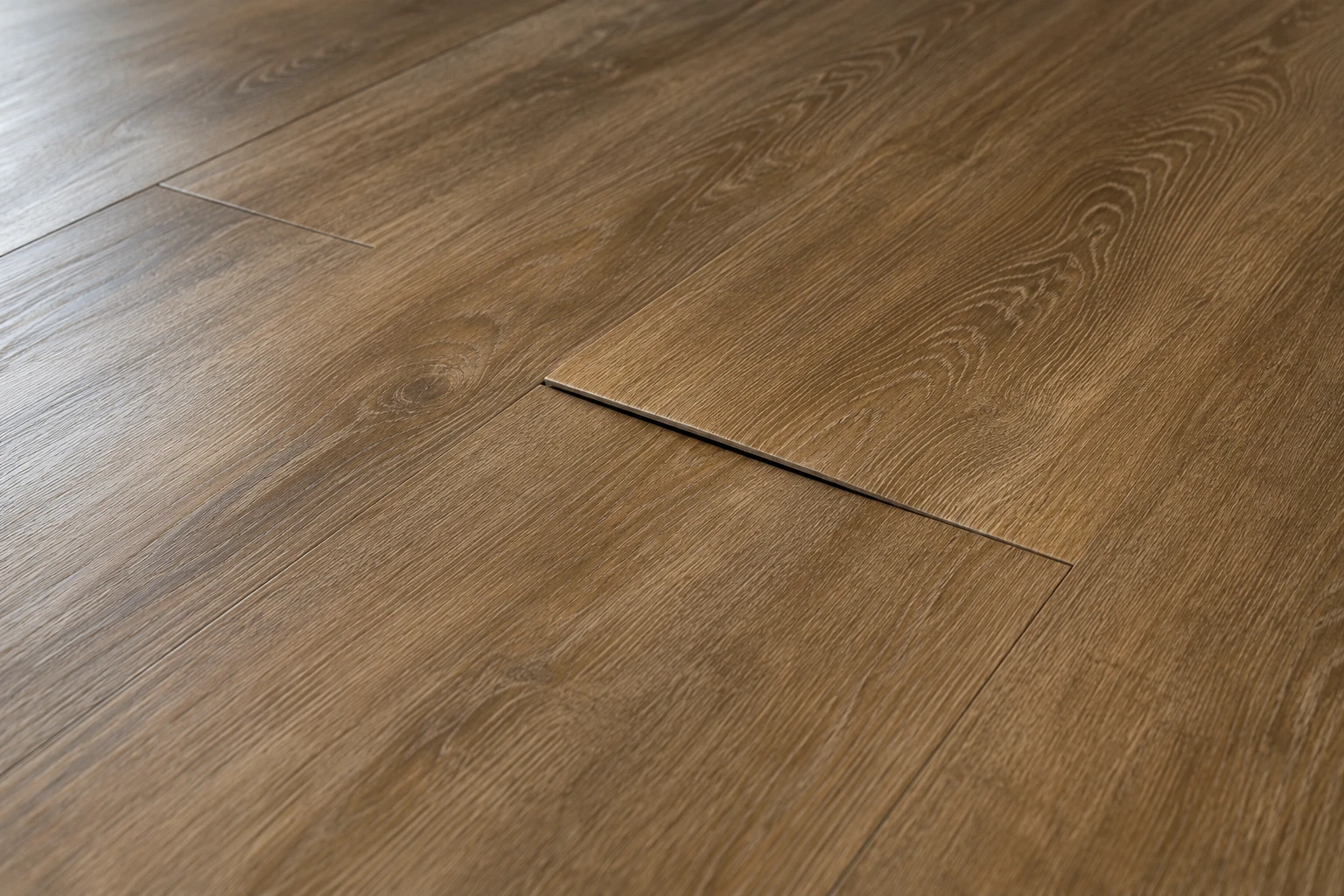
Sometimes a single damaged plank can be replaced. The practical question is how it fits into the rest of the floor: the product, installation method, location and availability of compatible material all matter.
A glue-down plank and a click-lock plank are repaired differently. With a floating floor, reaching the damaged piece may involve more surrounding flooring than expected. A plank that looks similar may have a different thickness or locking profile, so a visual match alone isn't enough. Our click-lock versus glue-down LVP guide explains the systems in more detail.
A scratch or isolated gouge is also a different situation from repeated lifting, curling or gaps. Heat, movement, attachment and moisture conditions may contribute to those problems. If the underlying condition remains, a new plank can develop the same issue. A waterproof product doesn't establish that the substrate beneath it is dry or ready for installation.
For a limited problem with a workable cause and compatible material, repair can preserve a useful floor. When damage spreads across the installation, joints keep failing or suitable planks are unavailable, replacement of a larger section may be the more dependable option. The LVP peaking and separation guide explores those conditions further.
Can warped wood flooring be repaired?
Warped wood isn't always beyond saving. The shape of the boards and the conditions that produced it make a difference. Cupping has raised edges and a lower center; crowning has a higher center. Buckling describes a floor lifting away from the subfloor.
Some cupped wood improves after the moisture imbalance is corrected and the floor stabilizes. Sanding while it is still changing can create a crowned profile as it dries. That is why moisture assessment often comes before a firm refinishing recommendation.
Once the floor is stable, the choices may include a maintenance recoat, sanding and refinishing, localized board replacement or a new floor. A recoat renews a suitable finish; deeper damage may require sanding if enough usable wood remains. Construction, previous sanding and the remaining wear layer affect what is possible. Our hardwood refinishing guide covers that distinction.
What if removal reveals moisture or suspected mold?
That changes the sequence of the project. An active leak, damp substrate, unusual musty odor or suspected growth may mean the affected flooring work pauses while the appropriate assessment and corrective work are arranged. A new surface won't resolve a problem that is still active underneath it.
For a property manager, the useful conversation becomes who will address the source, what work is outside the flooring scope and what needs to be completed before flooring resumes. The EPA's moisture and mold guidance describes why those underlying conditions matter. The specific response depends on the project and applicable requirements.
Photos help start the conversation.
They can show the location and extent of visible damage. An on-site assessment may still be needed to identify the flooring system, check concealed conditions or explain why a joint has lifted.
What makes the flooring quote useful?
The lowest initial price and the best use of the turnover budget aren't always the same. A small repair can be an excellent value when it leaves a dependable floor. It becomes less attractive if it is likely to be repeated soon or still falls short of the appearance the property needs.
A useful comparison includes the finished result and the work around it: access, furniture or appliance handling, removal, preparation, materials, labor, transitions, and drying or cure time. Work by another trade may affect the schedule too.
Is cleaning or repair always cheaper than replacement?
Cleaning an otherwise sound carpet will often involve much less work than replacing it. Repair costs are more dependent on the job. A few damaged planks can require considerable access work, and several carpet repairs may cost more than expected. Comparing complete scopes is more useful than assuming a fixed savings percentage.
If vacancy time is part of the decision, the relevant difference is the time each flooring option adds to the schedule. The full vacant period may also include painting, maintenance and other work, so it isn't all attributable to the floor.
A few details make the comparison easier
For each room, a helpful quote describes the proposed work, the appearance you can reasonably expect, anything likely to remain visible and any conditions that could change the price after removal. It also identifies access arrangements, when the floor can return to normal use and how unexpected work will be approved.
A flooring decision for your next turnover
Fashion Flooring has served Colorado since 1994. We help property managers with rental flooring in the Denver and Boulder area, including cleaning, repair and replacement options. A few photos, the property location, affected rooms and your target ready date give us a useful place to start. You can reach OrderDesk at orderdesk@fashionflooring.com.
Planning your next rental turnover? Let's talk through the flooring options.